Seated Neck Side Stretch Stretching
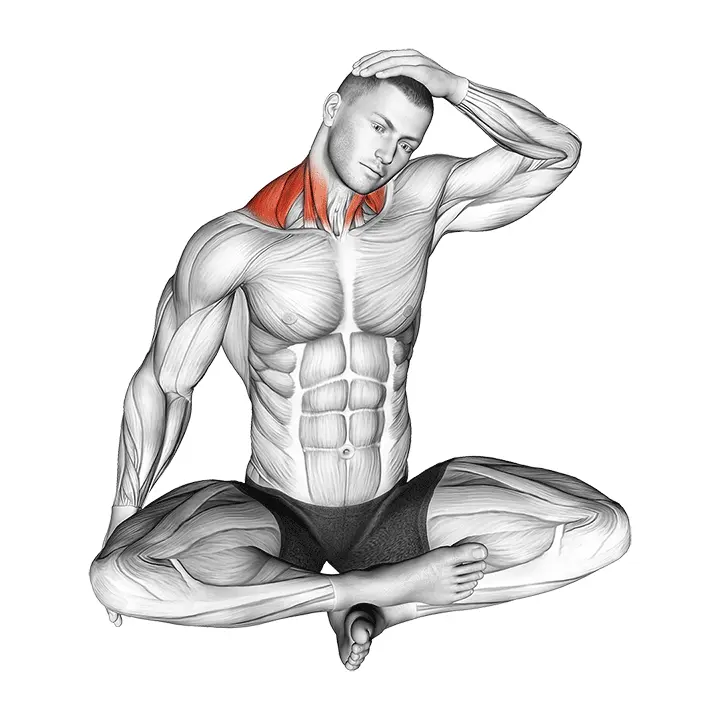
Seated neck side bend stretches the lateral muscles of the neck and upper back and helps relieve tension in the shoulder area. A calm, controlled stretch is well suited for warming up or restorative mobility training.
AI Analysis
Required equipment
Why Seated Neck Side Stretch Stretching?
The seated neck stretch is a simple yet effective movement that targets the lateral neck muscles and upper back tension. It is an excellent choice for both beginners and more experienced fitness enthusiasts looking for an easy way to relieve neck and shoulder tightness. The stretch helps restore the natural mobility of the cervical spine, which often suffers from prolonged sitting or static postures. The movement is performed while seated, making it accessible almost anywhere – at the office, at home, or while traveling. Using a chair provides support and helps keep the back straight, allowing for more precise targeting of the neck area. The basic idea of the stretch is to gently tilt the head to the side while keeping the opposite shoulder down, either with the help of the hand or by actively relaxing. This creates a deep stretch in the muscles extending from the ear to the shoulder, such as the upper trapezius and sternocleidomastoid muscles. When done regularly, the seated neck stretch can prevent neck and shoulder pain, improve posture, and reduce tension headaches caused by tight neck muscles. It is also a great way to calm down and detach from stress during the day. The controlled and calm execution of the stretch promotes muscle relaxation and improves blood circulation in the area. The movement is particularly beneficial for those working at a computer, students, and anyone experiencing tightness in their upper body. It is a quick and effective way to enhance well-being in daily life.
Benefits
Relieves neck and shoulder tension.
Improves cervical spine mobility.
Reduces tension headaches.
Promotes better posture.
Accelerates muscle recovery.
Helps relax and relieve stress.
Increases body control and awareness.
Muscle groups
Primary
- trapezius6
- trapezius6
Secondary
- deltoids3
- deltoids3
- upper-back3
- upper-back3
Stabilizers
- forearm1
- forearm1
How to perform
Setup
- Sit upright in a chair or on the floor with your feet firmly on the ground.
Execution
- Breathe out calmly and gently tilt your head towards your shoulder until you feel a light stretch on the side of your neck.
- Hold the stretch for 20-30 seconds without pain, breathing steadily.
- Slowly release and switch sides. Do 2-3 repetitions per side.
Coaching cues
- •Avoid pushing your head with force – guide the movement gently with your hand.
- •Keep your shoulders down and relaxed; do not raise the shoulder on the side being stretched towards your ear. Maintain a slight chin tuck (double chin) to preserve neck length.
Common mistakes
❌ Forcing the head too deeply into the stretch.
Why it's wrong: Excessive force can strain the neck and cause pain or even damage to the muscles and joints. The stretch should feel pleasant, not painful.
✓ Fix: Always perform the stretch slowly and in a controlled manner. Let gravity do the work and allow the muscles to relax gradually. Stop immediately if you feel sharp pain.
❌ Raising the opposite shoulder.
Why it's wrong: If the shoulder on the side being stretched rises towards the ear, it shortens the muscles targeted by the stretch and reduces its effectiveness.
✓ Fix: Keep the shoulder on the side being stretched actively down or gently press it down with your other hand to achieve a deeper stretch.
❌ Rounding the back or poor posture while seated.
Why it's wrong: If the back is rounded or posture is poor, it affects the position of the cervical spine and prevents an effective, targeted neck stretch.
✓ Fix: Sit upright in a chair or on the floor, with your back straight and shoulders relaxed. Gently pull your belly button in to support your core.
Frequently asked questions
How long should I hold the stretch?
It is generally recommended to hold for 15-30 seconds per side. If the goal is to improve deeper mobility, you can hold the stretch for up to 45-60 seconds, as long as it feels pleasant and does not cause pain. Start with shorter holds and extend over time based on your feelings.
Can I do the neck stretch daily?
Yes, the seated neck stretch is well-suited for daily use, especially if you suffer from neck and shoulder tightness due to sitting work or stress. Consistency is key in maintaining and improving mobility. You can do it several times a day for short holds.
What if I feel pain during the stretch?
The stretch should never cause sharp pain. A light, pleasant stretching sensation is normal. If you feel sharp pain, ease off the stretch or stop the movement entirely. Check your position and ensure you are not forcing the movement. Consult a physiotherapist if necessary.
Can I do this stretch standing?

Yes, you can perform a similar neck stretch while standing. However, the seated position often provides better stability and helps focus on the stretch without needing to pay attention to balance. When standing, ensure your posture remains good and your shoulders are relaxed.
Safety tips
- Never force the stretch or pull your head too hard. Pain is a sign of excessive strain.
- Perform the movement slowly and in a controlled manner. Avoid jerky movements that could cause muscle damage.
- Keep your gaze forward or slightly downward to maintain a neutral position of the cervical spine during the stretch.
- Listen to your body; if you feel discomfort or dizziness, stop the stretch immediately.
- Breathe deeply and evenly throughout the stretch to help the muscles relax.
Tags
Train smarter with AI coaching
Tsemppi's AI gives you exact weights and reps for every workout. Progress every single session.
Start your free 7-day trial✨ Limited spots available • No credit card required